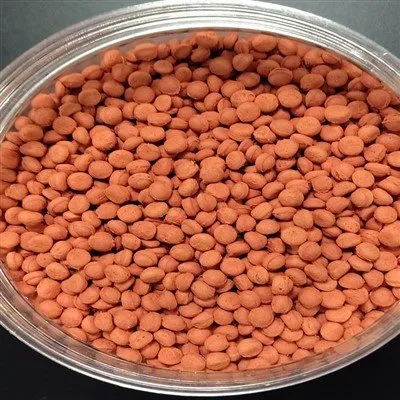
Global manufacturing industries are witnessing a notable transition as demand surges for high-flex EVA (Ethylene-Vinyl Acetate) materials.According to industry analysts, this shift is driven by brands' increasing focus on lightweight performance, enhanced flexibility, and improved durability-features that traditional plastics and rubber alternatives struggle to match.
Over the past year, suppliers across Asia, Europe, and North America have reported stronger orders for high-flex EVA granules and EVA-based textiles. These materials are now widely used in footwear midsoles, sporting goods, protective equipment, packaging inserts, and automotive interior components. Manufacturers highlight that high-flex EVA maintains elasticity under repeated stress, enabling products to achieve longer life cycles while reducing material fatigue.
Another major factor behind the trend is the growing interest in sustainable production. Many factories have begun upgrading formula technologies to create cleaner, more energy-efficient EVA blends with reduced VOC emissions. This aligns with global pressure for greener materials and circular-economy-ready polymers.
Industry experts predict that companies capable of offering stable supply, customizable flexibility grades, and value-added processing-such as precision-cut EVA fabrics-will benefit most from this shift. As brands continue prioritizing comfort, safety, and environmental responsibility, high-flex EVA materials are expected to play a central role in next-generation product development.