As lightweight design becomes an important consideration in modern footwear manufacturing, EVA materials continue to attract attention from footwear developers and material processors. EVA, or ethylene-vinyl acetate, is widely used in the production of slippers, sandals, midsoles, and other lightweight footwear components because of its low density, flexibility, and cushioning potential. Alongside conventional EVA compounds, recyclable EVA materials are also gaining attention as manufacturers explore more efficient material utilization and sustainable production methods.
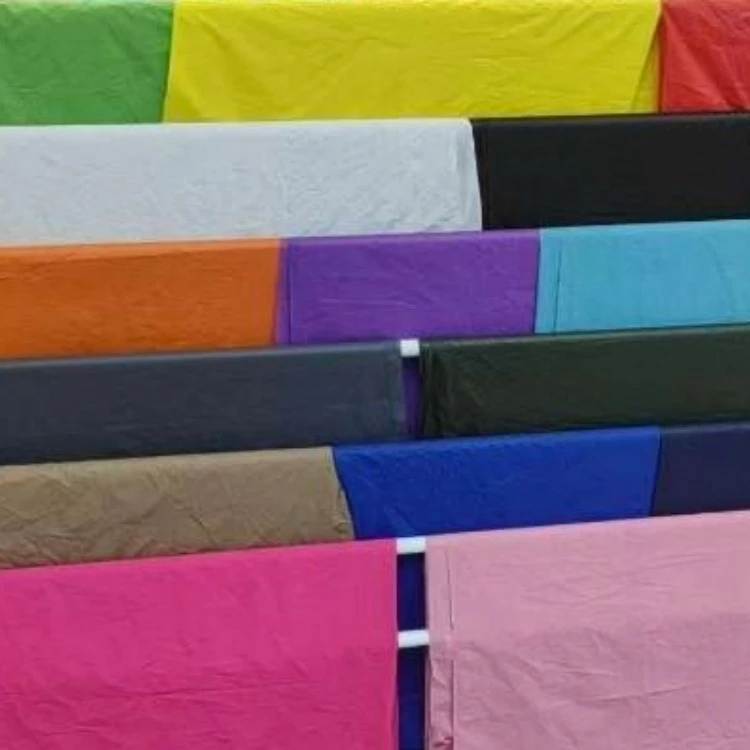
EVA fabrics, including certain thin EVA textile-like materials recovered from manufacturing processes, represent another material stream with potential value in the footwear supply chain. Rather than being treated as general-purpose fabrics for clothing, these materials can be collected, sorted, and processed for further granulation. Through suitable recycling and processing procedures, recoverable EVA materials can be converted into recycled granules for subsequent footwear manufacturing applications, depending on their composition and quality.
Lightweight Design Starts with Material Selection
Reducing footwear weight requires more than changing the shape of a shoe. Material density, elasticity, cushioning performance, and processing stability all influence the final product. EVA is a practical option for manufacturers seeking a balance between lightweight construction and wearing comfort. By selecting appropriate formulations and processing parameters, footwear producers can develop products suited to different design requirements and market segments.
Recycled EVA materials can also contribute to more efficient resource utilization. Recovering suitable production residues and returning them to material processing helps reduce waste and supports a more circular approach to footwear manufacturing. However, recycled material performance depends on factors such as the source of the waste, contamination control, formulation, and quality inspection. Consistent sorting and processing are therefore essential to obtaining usable recycled granules.
Recycling Adds Value to the Footwear Supply Chain
For EVA material suppliers and footwear factories, material recovery provides an opportunity to connect recycling operations with downstream manufacturing needs. Properly processed EVA fabrics and other recoverable EVA residues can serve as feedstock for granulation, helping manufacturers explore material reuse while managing raw material costs.
At YLEVA, recycled EVA granules are developed for footwear-related manufacturing applications. By focusing on material recovery, processing, and product consistency, YLEVA supports footwear manufacturers looking for practical recycled material options. Actual suitability depends on the customer's equipment, product specifications, and required physical properties.
As lightweight footwear design continues to evolve, the relationship between material innovation and recycling is becoming increasingly relevant. EVA fabrics intended for further processing, together with recycled EVA granules, offer another way for the footwear industry to consider both material efficiency and product performance. Careful material selection and quality control will remain essential to achieving reliable results.